

Summary:
1. The Rising Threat of Counterfeiting and Its Impact on Luxury Brands
2. How Product Authentication Builds Consumer Trust and Brand Loyalty
3. The Role of Digital Product Passports in Ensuring Authenticity and Compliance
4. Leveraging Authentication for Enhanced Customer Experience and Marketing
5. Best Practices for Implementing Product Authentication in Your Brand Strategy
Introduction
In an era where consumers demand transparency and authenticity, product authentication has emerged as a cornerstone of brand strategy for luxury and premium companies. The proliferation of counterfeit goods not only erodes revenue but also dilutes brand identity and undermines consumer trust. For brands operating in high-stakes industriessuch as fashion, jewelry, watches, and furniturethe ability to verify product authenticity is no longer optional; it is a strategic imperative. As regulatory frameworks like the European Union's Digital Product Passport (DPP) take center stage, businesses must adapt to protect their reputation, engage their customers, and secure their market position.
This article explores why product authenticity is important, how it fosters trust and loyalty, and the innovative solutions available to brands seeking to safeguard their products and enhance their customer experience. From combating counterfeiting to leveraging digital marketing and authenticity marketing, we will delve into the transformative power of authentication and its role in shaping the future of brand authenticity.
1. The Rising Threat of Counterfeiting and Its Impact on Luxury Brands
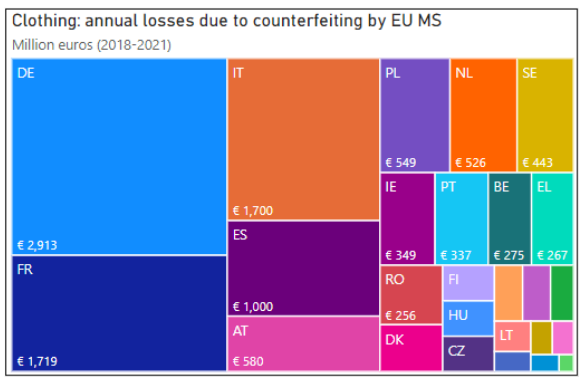
The global counterfeit market has reached staggering proportions, with losses estimated at $1.82 trillion in 2025, according to recent reports. Luxury brands are among the hardest hit, facing not only financial losses but also long-term damage to their brand values and online reputation management. Counterfeiters exploit the prestige of luxury labels, flooding the market with imitation products that deceive consumers and erode brand authenticity. The consequences extend beyond lost sales: diluted brand identity, compromised customer experience, and even legal repercussions can tarnish a company's standing.
For instance, the luxury fashion industry loses billions annually to counterfeiting, with consumers increasingly encountering fake products online. Studies show that 30% of consumers have unknowingly purchased counterfeit items in the past five years, a trend exacerbated by the rise of social media platforms where fake goods are aggressively marketed. This proliferation of fakes undermines consumer trust, as even genuine products may be met with skepticism. In response, brands must prioritize product authentication to protect their customers and preserve their brand story.
2. How Product Authentication Builds Consumer Trust and Brand Loyalty
Authenticity is a non-negotiable expectation for today's consumers. When customers can verify the authenticity of a product, their confidence in the brand soars. Research indicates that consumers who trust a brand are more likely to make repeat purchases and become brand advocates, highlighting the direct link between product authenticity and customer loyalty. Authentication solutions, such as digital verification via smartphones, provide immediate reassurance, transforming skepticism into trust.
Moreover, authentic brands cultivate deeper emotional connections with their customers. By embedding transparency into their brand strategy, companies demonstrate a commitment to integrity, which resonates with consumers who value brand authenticity. This alignment between brand values and consumer expectations fosters long-term relationships, driving both retention and advocacy.
3. The Role of Digital Product Passports in Ensuring Authenticity and Compliance
The European Union's Digital Product Passport (DPP) is revolutionizing product authentication by providing a standardized, digital record of a product's lifecycle. Under the Ecodesign for Sustainable Products Regulation (ESPR), DPPs will soon be mandatory for a wide range of products, including textiles, electronics, and furniture. These passports not only verify authenticity but also enhance traceability, sustainability, and regulatory compliance.
Source : Data Europa
For brands, DPPs offer a powerful tool to combat counterfeiting while delivering value to consumers. By scanning a product, customers can access its history, materials, and sustainability credentials, reinforcing the brand's commitment to transparency. Early adopters, such as Chloé, are already integrating digital IDs into their products, setting a new standard for brand authenticity and customer experience.

4. Leveraging Authentication for Enhanced Customer Experience and Marketing
Product authentication is more than a defensive measureit is a strategic asset for digital marketing and customer engagement. Brands can use authentication platforms to deliver personalized content, exclusive offers, and loyalty rewards, turning a routine verification into a memorable customer experience. This approach not only strengthens brand loyalty but also generates valuable data for marketing brand initiatives.
In the age of social media, authenticity marketing is amplified by social proof. Consumers who authenticate their purchases often share their experiences online, creating organic endorsements that enhance the brand's credibility. By integrating authentication with social media platforms, brands can foster community and dialogue, further solidifying their brand identity.
5. Best Practices for Implementing Product Authentication in Your Brand Strategy
To maximize the benefits of product authentication, brands should adopt a holistic approach. This includes selecting robust authentication technologies, educating consumers on verification processes, and aligning authentication with broader brand strategy goals. Brands that prioritize transparency, authenticity, and customer experience will not only protect their products but also build a competitive edge in the marketplace.
Key considerations include:
- Choosing scalable, user-friendly authentication solutions.
- Communicating the value of authenticity to consumers through content marketing and digital marketing channels.
- Using authentication data to refine brand strategy and enhance customer experience.
Conclusion
In a landscape where consumers demand authenticity and trust, product authentication is a game-changer for luxury and premium brands. By embracing innovative solutions like Digital Product Passports and leveraging authenticity marketing, companies can protect their products, engage their customers, and future-proof their brand. As the market evolves, those who prioritize product authenticity will not only safeguard their reputation but also unlock new opportunities for growth and customer loyalty.
FAQ
Q: How can my brand implement a Digital Product Passport?
A: Implementing a Digital Product Passport involves selecting a compliant platform, integrating it with your products, and educating your customers on its benefits. For a step-by-step guide, explore our article on How to Make a Digital Product Passport: A Practical Guide for Brands.
Q: What are the key benefits of product authentication for my business?
A: Product authentication enhances consumer trust, reduces counterfeiting, and provides valuable insights for marketing and customer engagement. It also ensures compliance with emerging regulations, such as the EU's DPP requirements.
Q: How does Legitag help brands with product authentication?
A: Legitag offers a seamless, GDPR-compliant solution for product authentication, enabling brands to verify products, engage consumers, and collect actionable data. To see how it works, request a demo today.