

Summary:
1. What Is a Digital Product Passport?
2. The Legal Framework: ESPR and the EU's Push for Transparency
3. Which Products Will Require a Digital Product Passport?
4. Key Deadlines and Implementation Timeline
5. How Will the Digital Product Passport Impact Businesses?
6. Preparing for Compliance: Steps for Brands
Introduction
The question of whether the digital product passport is mandatory is increasingly urgent for businesses operating in or selling to the European Union. As the European Commission accelerates its sustainable products regulation and circular economy action plan, the digital product passport (DPP) has emerged as a cornerstone of this transformation. By 2027, the EU DPP will become a legal requirement for a wide range of products, fundamentally changing how businesses manage data, supply chain transparency, and compliance.
For brands, the digital product passport is not just a regulatory hurdleit is an opportunity to enhance traceability, build consumer trust, and drive sustainable business models. The introduction of passports for products marks a shift toward greater accountability and environmental responsibility. This article explores the requirements, product categories, and deadlines associated with the DPP, providing a clear roadmap for companies seeking to navigate this new landscape and turn compliance into a strategic asset.
1. What Is a Digital Product Passport?
A digital product passport is a dynamic, machine-readable record that accompanies a product throughout its lifecycle. It contains comprehensive data about the product's origin, materials, environmental impacts, and end-of-life options. The DPP is designed to improve transparency, support the circular economy, and empower consumers to make informed choices. Unlike static labels, the passports evolve with the product, ensuring that all stakeholdersfrom manufacturers and importers to distributors and retailershave access to accurate, up-to-date information.

The European Union envisions the DPP as a tool to combat greenwashing, reduce waste, and foster sustainable products. By embedding structured data into every product, the passports enable real-time tracking and verification, making it easier for authorities and consumers to assess compliance and sustainability claims. This approach aligns with the economy action plan, which prioritizes resource efficiency and environmental stewardship.
2. The Legal Framework: ESPR and the EU's Push for Transparency
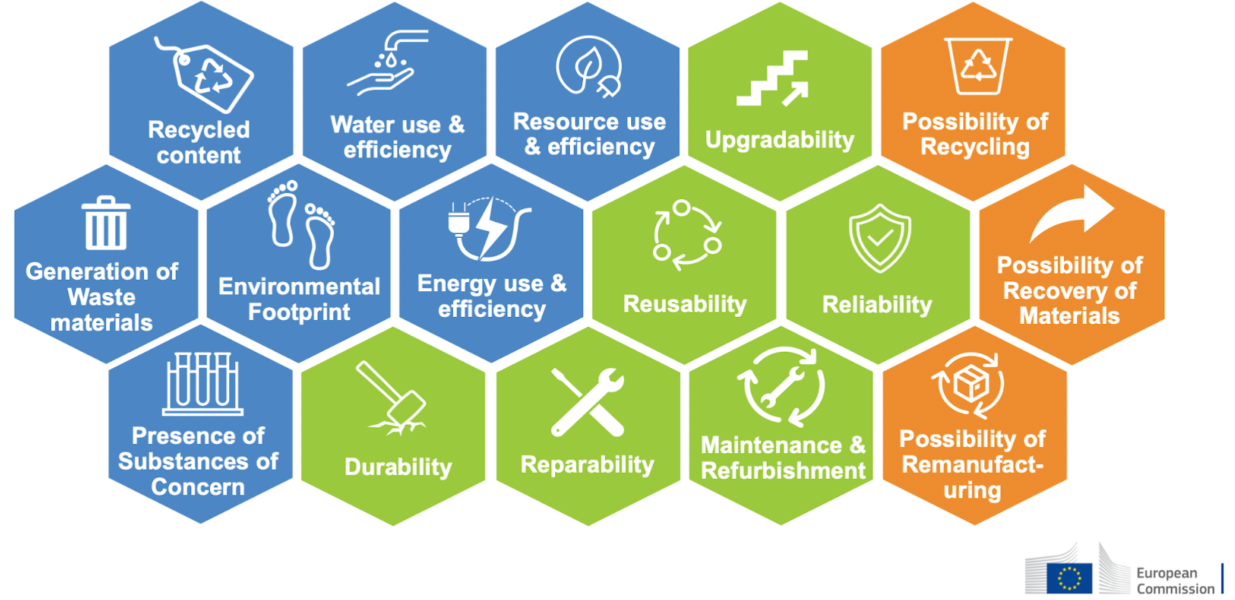
The digital product passport is a central element of the Ecodesign for Sustainable Products Regulation (ESPR), adopted by the European Commission in 2024. The ESPR is part of the broader European Green Deal and economy action plan, which aims to make sustainability the norm across all sectors. The regulation mandates that products placed on the EU market must meet strict ecodesign and sustainability criteria, with the DPP serving as the digital backbone for this initiative.
Source : European commission
According to the European Commission, the DPP will be required for nearly all products sold in the EU, regardless of where they are manufactured. The regulation is phased, with the first delegated acts targeting high-impact product categories such as batteries, textiles, electronics, and construction materials. The passports will ensure that data on environmental impacts, material composition, and recyclability is readily available, promoting traceability and accountability across the supply chain.
3. Which Products Will Require a Digital Product Passport?
The European Commission has prioritized product categories based on their environmental impacts and potential for circularity. The first wave of passports will apply to:
- Industrial and electric vehicle batteries (mandatory from February 2027)
- Textiles and footwear (phased in from 2027)
- Electronics and ICT equipment
- Furniture
- Iron, steel, and aluminum products
- Detergents, paints, and lubricants
The ESPR working plan, published in April 2025, outlines the timeline for each product category, with additional groups to be added in the coming years. Manufacturers, importers, distributors, and retailers of these products must ensure their passports are accessible and compliant with the requirements. The focus on these materials and products reflects their significant environmental footprint and the need to minimize waste.
4. Key Deadlines and Implementation Timeline
The EU DPP rollout is structured in phases:
- April 2025: The European Commission published the first working plan, defining product categories and data requirements.
- 2026: The DPP registry will be established, serving as a central hub for all digital product passports in the EU.
- 2027: Passports become mandatory for batteries and select product categories.
- 20272030: Additional product categories will be phased in, with full implementation expected by the end of the decade.
5. How Will the Digital Product Passport Impact Businesses?
The introduction of the DPP will reshape business models and supply chain operations. For brands, the passports offer several strategic advantages:
- Enhanced Traceability: Real-time tracking of products and materials improves supply chain visibility and reduces the risk of counterfeiting.
- Regulatory Compliance: Meeting DPP requirements ensures access to the EU market and avoids penalties.
- Consumer Engagement: Digital product passports enable brands to share sustainability stories, build loyalty, and differentiate themselves in a competitive market.
- Data-Driven Insights: The data collected through passports can inform product design, marketing, and business strategy, while also helping to reduce waste and optimize resource use.
However, the transition also presents challenges, particularly for companies with complex supply chains. Brands must invest in systems to collect, manage, and share data securely and efficiently, ensuring that all materials and processes are documented in line with regulation.
6. Preparing for Compliance: Steps for Brands
To prepare for the DPP, businesses should:
- Assess Product Portfolios: Identify which products fall under the regulation and prioritize compliance efforts, paying special attention to materials and environmental impacts.
- Invest in Technology: Adopt machine-readable solutions such as QR codes, RFID tags, or blockchain to support passports implementation.
- Collaborate with Suppliers: Ensure that all partners in the supply chain are aligned with data collection and sharing requirements, particularly regarding materials and waste management.
- Educate Teams: Train staff on DPP processes and the importance of compliance, sustainability, and business models that prioritize circularity.
Conclusion
The Digital Product Passport is not just a regulatory obligationit is a transformative tool for businesses committed to sustainability and transparency. By embracing the DPP, brands can turn compliance into a competitive advantage, fostering trust and loyalty among consumers while contributing to the circular economy. The use of passports for products will become a standard practice, enabling companies to demonstrate their commitment to environmental responsibility and innovative business models.
As the EU moves toward full implementation, proactive preparation will be key to success. Brands that act now to integrate passports into their operations will be best positioned to thrive in the new era of sustainable products regulation, minimizing waste and maximizing the value of their materials.
FAQ
Q: Is the Digital Product Passport mandatory for all products in the EU?
A: The DPP is mandatory for prioritized product categories, starting with textiles, batteries, and certain industrial materials. The European Commission will expand the list over time. For a full overview, refer to the Digital Product Passport Regulation: What Brands Need to Know to Stay Compliant.
Q: How can my brand ensure compliance with the Digital Product Passport regulation?
A: Start by assessing which of your products fall under the ESPR scope. Then, gather the necessary data and choose a DPP solution that integrates seamlessly with your supply chain. For a step-by-step guide, see How to Make a Digital Product Passport: A Practical Guide for Brands.
Q: What happens if my business doesn't comply with the DPP mandate?
A: Non-compliance risks market access restrictions and potential fines. However, early adoption can turn compliance into a competitive advantage. To explore how Legitag can help, request a demo.