

Summary:
1. What Is a Digital Product Passport and Why Does the Textile Industry Need It?
2. The Regulatory Landscape: ESPR and the EU's Push for Sustainability
3. Key Requirements for Digital Product Passports in the Textile Sector
4. How to Implement a Digital Product Passport: Steps and Best Practices
5. The Business Case: Benefits Beyond Compliance
Introduction
The textile industry stands at a crossroads. As global demand for sustainable products and supply chain transparency grows, regulators and consumers alike are pushing for greater accountability. At the heart of this transformation is the Digital Product Passport (DPP), a groundbreaking tool designed to revolutionize how textile products are tracked, authenticated, and managed throughout their lifecycle. Mandated by the European Union as part of the Ecodesign for Sustainable Products Regulation (ESPR), the DPP is set to become a cornerstone of the circular economy, ensuring that every garment, accessory, or fabric sold in Europe carries a digital record of its origins, materials, and environmental impact.
For brands, this shift is not just about meeting new compliance requirementsit's an opportunity to redefine business models, enhance customer engagement, and build trust in an era where sustainability and transparency are non-negotiable. But what exactly does the DPP entail for the textile sector, and how can companies prepare for its rollout?
1. What Is a Digital Product Passport and Why Does the Textile Industry Need It?
The Digital Product Passport (DPP) is a digital record linked to a physical product via a unique identifier, such as a QR code or RFID tag. It provides comprehensive product data, from raw materials and manufacturing processes to end-of-life options like recycling or repair. For the textile industry, the DPP is more than a regulatory checkbox; it's a powerful enabler of circular economy principles, allowing brands to demonstrate their commitment to sustainability and environmental impact reduction.

The textile sector is one of the most resource-intensive and polluting industries globally. Fast fashion, overproduction, and poor waste management have led to significant environmental and social challenges. The DPP addresses these issues by making product lifecycle information accessible to all stakeholders - consumers, manufacturers, and regulators - thereby fostering supply chain transparency and informed decision-making. By 2027, all textile products sold in the EU will be required to include a DPP, marking a pivotal moment for the industry's transition toward sustainable products and circular business models.
2. The Regulatory Landscape: ESPR and the EU's Push for Sustainability
The European Commission has made the DPP a central element of its Circular Economy Action Plan and the broader European Green Deal. The Ecodesign for Sustainable Products Regulation (ESPR), adopted in June 2024, establishes the legal framework for DPPs, with textiles among the first product categories to be regulated. The ESPR aims to make sustainable products the norm in the EU market, setting ambitious targets for durability, recyclability, and transparency.
The Timeline for DPP Implementation in Textiles
- 2025-2026: The European Commission will publish delegated acts specifying the exact data requirements and technical standards for DPPs in the textile industry. This period is critical for brands to align their supply chain management and data collection processes with upcoming regulation.
- July 2027: All textile products sold in the EU must include a basic digital passport.
- 2030: The DPP will evolve to include all lifecycle data, enabling a fully circular economy for textiles.
The ESPR is not just about environmental goals; it also seeks to harmonize product passports across industries, ensuring interoperability and ease of access for consumers and businesses.

3. Key Requirements for Digital Product Passports in the Textile Sector
To comply with the ESPR, textile companies must ensure their DPPs include the following product data:
- Materials and Composition: Detailed information on fibers, dyes, and chemicals used, including the percentage of recycled content.
- Manufacturing and Supply Chain: Data on production locations, labor conditions, and environmental impact metrics such as carbon footprint and water usage.
- Durability and Repairability: Information on product longevity, care instructions, and repair options to extend the product lifecycle.
- End-of-Life Options: Guidance on recycling, reuse, or safe disposal, supporting the circular economy.
The DPP must be accessible via a digital link, typically through a QR code or NFC tag, and the information must be presented in a standardized, machine-readable format. This ensures that consumers, regulators, and supply chain partners can easily verify product authenticity and sustainability.
4. How to Implement a Digital Product Passport: Steps and Best Practices
Step 1: Assess Your Data Readiness
Before deploying a DPP, brands must evaluate their current data collection and management capabilities. This involves mapping the supply chain, identifying data gaps, and ensuring that all product data meets the ESPR's requirements. Collaboration with suppliers and technology partners is essential to gather accurate and comprehensive information.
Step 2: Choose the Right Technology
Selecting a robust DPP solution is crucial. The platform should support data interoperability, scalability, and compliance with EU standards. Solutions like Legitag offer end-to-end support, from data collection to consumer engagement, making it easier for brands to meet regulatory deadlines and leverage DPPs for business strategy.
Step 3: Pilot and Iterate
Pilot projects allow brands to test DPP implementation on a small scale, identify challenges, and refine processes before full deployment. Pilot programs, such as those conducted by Trace4Value and Marimekko, have demonstrated the value of DPPs in improving transparency and consumer trust.
Step 4: Educate Stakeholders
Training internal teams and supply chain partners on DPP requirements and benefits is vital. Clear communication ensures that everyone understands their role in maintaining data accuracy and compliance.
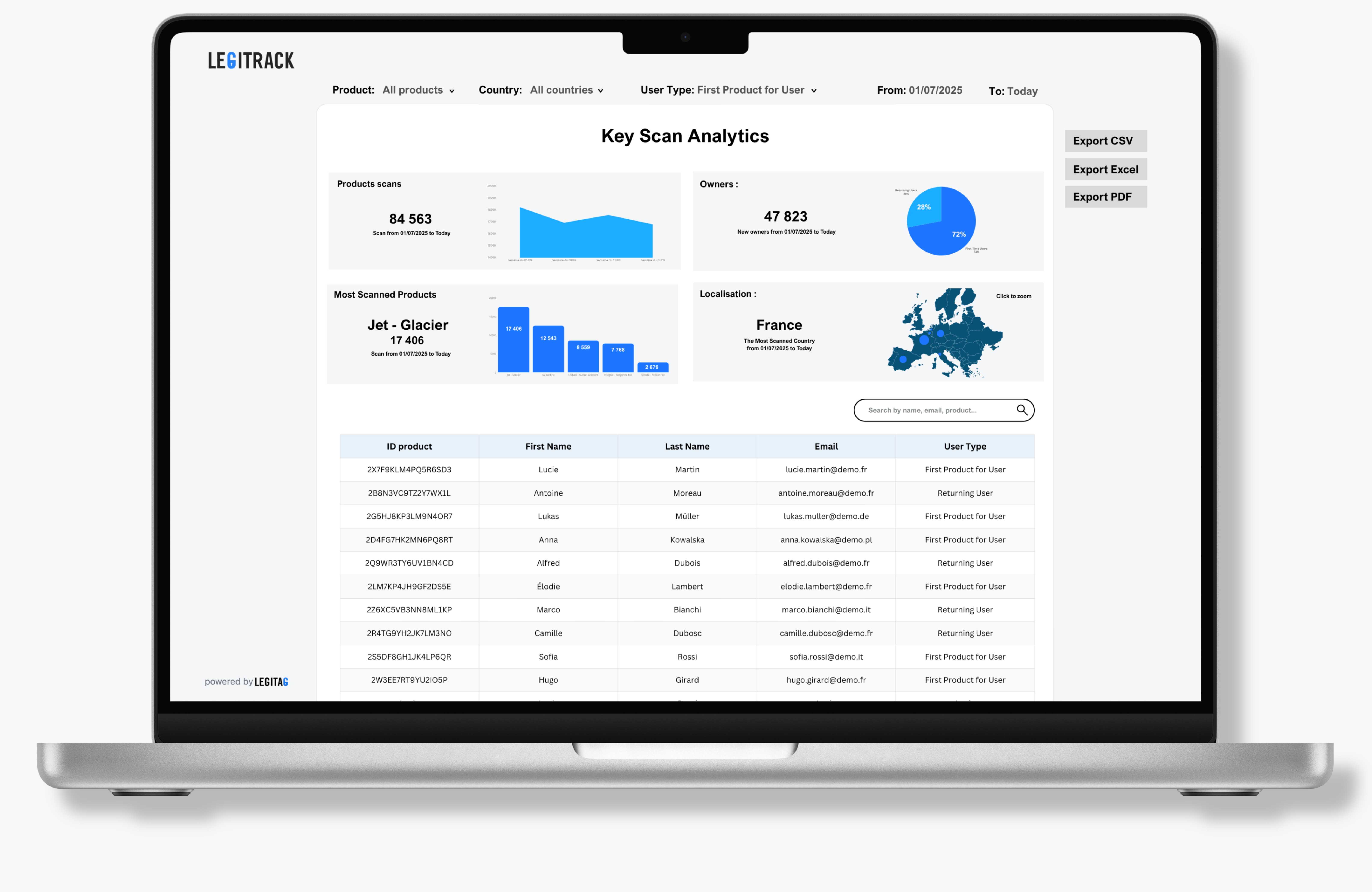
5. The Business Case: Benefits Beyond Compliance
While the DPP is a regulatory requirement, its benefits extend far beyond compliance:
- Enhanced Brand Trust: By providing verifiable product data, brands can combat greenwashing and build stronger relationships with consumers who prioritize sustainability.
- New Revenue Streams: DPPs enable innovative business models, such as resale, rental, and repair services, which can open up new markets and customer segments.
- Operational Efficiency: Digitalizing product data streamlines supply chain management, reduces waste, and improves resource allocation.
- Competitive Advantage: Early adopters of DPPs can position themselves as leaders in sustainable products and circular economy practices, attracting environmentally conscious consumers and investors.
Conclusion
The Digital Product Passport represents a paradigm shift for the textile industry. As the EU moves toward mandatory DPPs, brands must act now to prepare for compliance and seize the opportunities that transparency and sustainability offer. By embracing DPPs, companies can not only meet regulatory requirements but also drive innovation, enhance customer engagement, and contribute to a more sustainable future.
For brands looking to navigate this transition, partnering with experts like Legitag can simplify the process, ensuring a seamless and effective DPP deployment. The journey toward circular economy and supply chain transparency starts with a single scan - are you ready?
FAQ
Q: What is the deadline for implementing Digital Product Passports in the textile industry?
A: The European Commission will publish the delegated act for textiles in January 2026, with full compliance required by July 2027. Brands should start preparing now to meet these requirements.
Q: How can Legitag help my brand implement a Digital Product Passport?
A: Legitag provides a comprehensive DPP solution tailored to the textile sector, offering support from data collection to consumer engagement. Our platform ensures compliance with ESPR and helps brands leverage DPPs for business growth and customer loyalty.
Q: What are the consequences of non-compliance with the DPP regulation?
A: Non-compliance with the ESPR can result in fines, market access restrictions, and reputational damage. Ensuring your DPP meets all requirements is essential to avoid these risks and maintain consumer trust.
Q: Can Digital Product Passports help my brand improve sustainability and customer engagement?
A: Absolutely. DPPs provide a unique opportunity to showcase your commitment to sustainability, enhance product transparency, and engage consumers with authentic, data-driven stories about your products. This can lead to increased loyalty and a stronger brand reputation.