

Summary
1. Understanding Consumer Engagement in the Digital Age
2. The Role of Digital Product Passports in Modern Engagement Strategies
3. How DPPs Enhance Customer Experience and Build Loyalty
4. Practical Examples: Brands Successfully Using DPPs for Engagement
5. Measuring the Impact: Engagement Metrics and DPP Performance
Introduction
In today's competitive marketplace, consumer engagement is not just a buzzwordit's a critical driver of brand loyalty, customer satisfaction, and long-term business success. As customers demand more transparency, authenticity, and personalized experiences, brands must innovate to meet these expectations. Enter the Digital Product Passport (DPP), a revolutionary tool that is reshaping how companies interact with their audience. By providing a secure, digital record of a product's journey, DPPs empower customers to verify authenticity, access exclusive content, and engage with brands long after the point of sale.
For decision-makers, the question is no longer whether to adopt DPPs, but how to leverage them effectively within their marketing strategy to foster deeper customer engagement and turn one-time buyers into highly engaged customers. This article explores actionable strategies for using DPPs to enhance engagement, build trust, and create lasting relationships with your audience.
1. Understanding Consumer Engagement in the Digital Age
Consumer engagement refers to the ongoing interaction between a brand and its customers, encompassing every touchpoint from initial awareness to post-purchase support. In 2025, the landscape of engagement is evolving rapidly, driven by advancements in technology and shifting customer expectations. According to recent studies, over 80% of marketing leaders now prioritize customer experience as the primary battleground for competitive advantage, with engagement strategies focusing on personalization, real-time interaction, and seamless omnichannel experiencessprinklr.com+1. A successful strategy must not only attract but also retain an audience by delivering consistent value.
source : sprinklr
The rise of digital tools has made it possible for brands to collect and analyze data ethically, enabling them to tailor marketing efforts and services to individual preferences. However, the challenge lies in moving beyond generic campaigns to create meaningful, two-way conversations. This is where Digital Product Passports come into play, offering a unique platform to connect with customers on a deeper level and track their interactions over time.
2. The Role of Digital Product Passports in Modern Engagement Strategies
The European Union's Digital Product Passport initiative, part of the Ecodesign for Sustainable Products Regulation (ESPR), mandates that nearly all products sold in the EU must feature a DPP by 2027. These passports provide a comprehensive digital record of a product's lifecycle, including origin, materials, sustainability metrics, and care instructions. While compliance is a key driver, forward-thinking brands are using DPPs as a strategic asset to enhance customer engagement and differentiate themselves in crowded business environments.
source : Data Europa
How DPPs Transform Engagement
- Transparency Builds Trust: By offering verifiable information about a product's journey, DPPs address growing customer demand for authenticity and sustainability. This transparency fosters trust, a cornerstone of brand loyalty and customer satisfactioncritical for any marketing strategy.
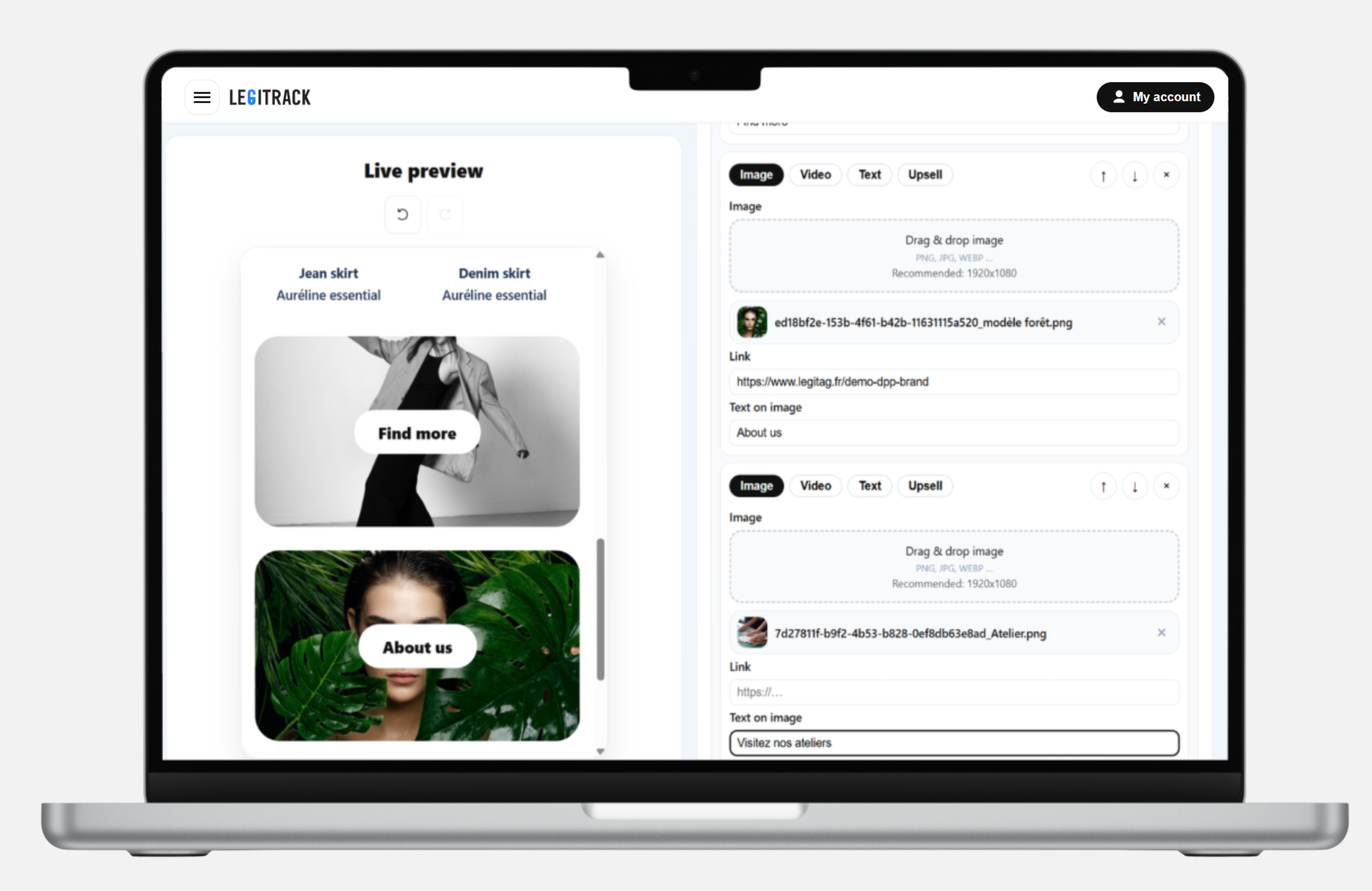
- Extended Customer Journey: DPPs create a dynamic touchpoint that extends the customer journey beyond the purchase. With a simple scan, customers can access exclusive content, such as product origin stories, maintenance tips, and even personalized offers, keeping them engaged with the brand over time.
- Data-Driven Insights: DPPs enable brands to gather valuable data on customer behavior, preferences, and product usage. This feedback can be used to refine engagement strategies, personalize communications, and develop targeted marketing campaigns, ensuring your business stays ahead of the curve.

For example, a business that tracks how customers interact with DPPs can identify trends and adjust its strategy to better engage its audience.
3. How DPPs Enhance Customer Experience and Build Loyalty
Personalization and Exclusive Content
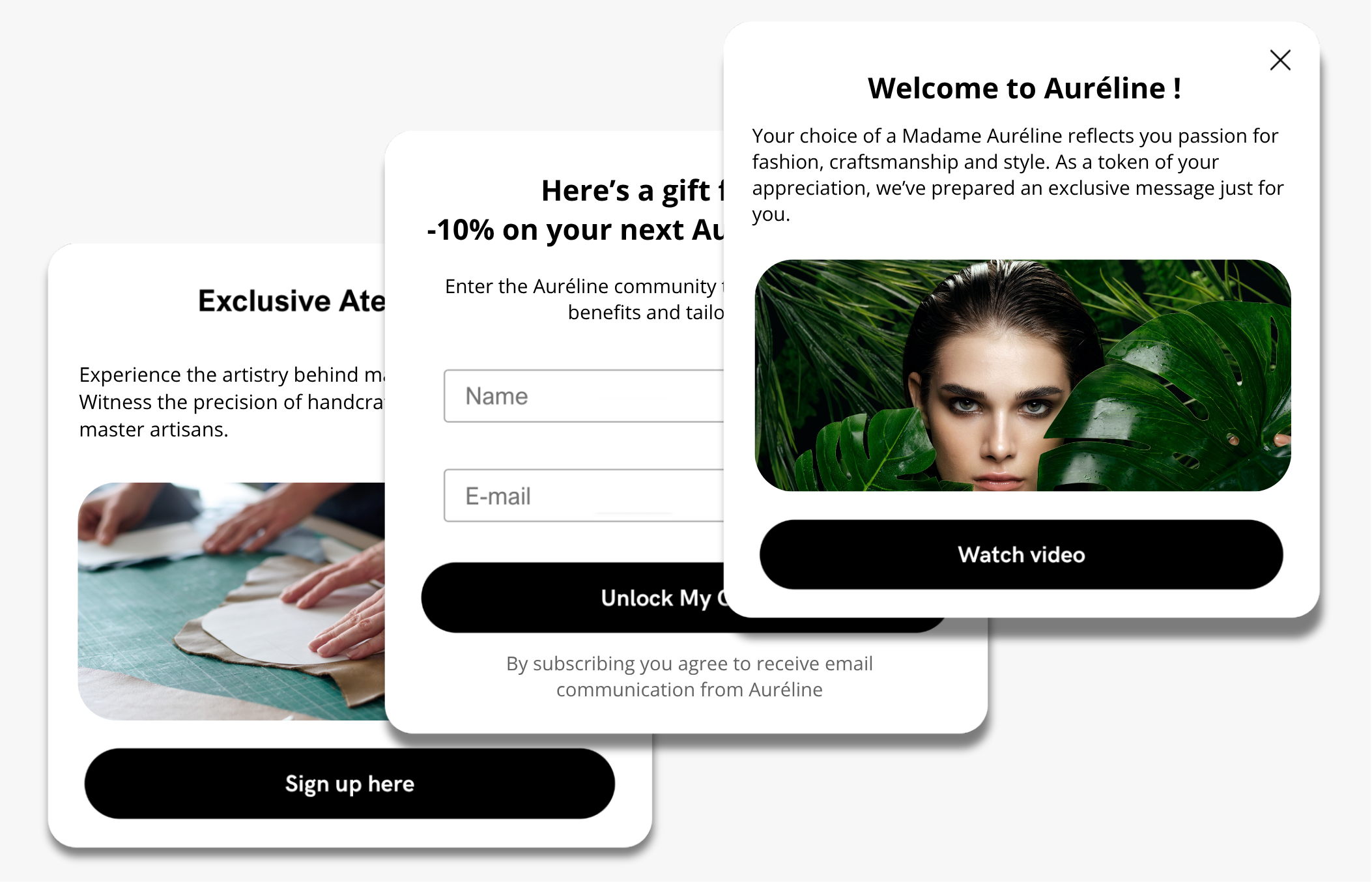
One of the most effective ways to boost consumer engagement is through personalization. DPPs allow brands to deliver tailored experiences based on individual customer profiles. For example, luxury brands like Dior and Tod's are using DPPs to offer exclusive content, such as behind-the-scenes videos, designer notes, and invitations to private events. These personalized interactions make customers feel valued and deepen their emotional connection to the brand, which is essential for any marketing strategy aimed at building long-term loyalty.
Seamless Integration with Loyalty Programs
DPPs can be seamlessly integrated with existing loyalty programs, turning every product into a gateway for rewards and perks. When customers scan a DPP, they can unlock points, access members-only discounts, or receive recommendations for complementary products or services. This not only increases engagement but also encourages repeat purchases and long-term loyalty, providing a clear example of how to engage an audience effectively.
Post-Purchase Engagement and Support
The relationship between a brand and its customers doesn't end at the checkout. DPPs enable brands to maintain contact by providing ongoing support, such as repair services, warranty information, and resale options. This proactive approach enhances the entire customer experience, turning satisfied buyers into highly engaged customers and brand advocates. By collecting feedback through DPP interactions, businesses can continuously improve their strategy and engage their audience in meaningful ways.
4. Practical Examples: Brands Successfully Using DPPs for Engagement
Luxury and Fashion
In the luxury sector, DPPs are being used to combat counterfeiting and enhance customer experience. For example, brands like Nobody's Child and DFS have piloted DPPs on select collections, offering customers who scan the QR code access to exclusive content, care tips, and even monetary rewards. These initiatives have not only driven engagement but also increased brand loyalty and customer satisfaction, demonstrating how a well-executed strategy can engage a discerning audience.
Furniture and Home Goods
Furniture brands are leveraging DPPs to provide detailed information on materials, assembly instructions, and recycling options. By empowering customers with this knowledge, brands can position themselves as leaders in sustainability and transparency, further strengthening consumer engagement and trust. This example shows how DPPs can be a cornerstone of a business's marketing strategy to track and improve customer interactions.
Electronics and Technology
For electronics manufacturers, DPPs offer a way to showcase product features, provide firmware updates, and offer recycling instructions. This not only improves the customer experience but also supports circular economy goals, aligning with customer values and regulatory requirements. By using DPPs to track product usage, businesses can gather feedback and refine their strategy to better engage their audience.
5. Measuring the Impact: Engagement Metrics and DPP Performance
To ensure the success of DPP-driven engagement strategies, brands must track relevant engagement metrics. Key performance indicators (KPIs) include:
- Scan Rates: The number of times customers interact with the DPP, indicating interest and engagement.
- Time Spent: How long customers engage with the DPP content, reflecting the value they derive from the experience.
- Conversion Rates: The percentage of DPP users who take desired actions, such as signing up for loyalty programs or making additional purchases.
- Customer Feedback: Surveys and reviews can provide insights into customer satisfaction and areas for improvement, helping businesses adjust their marketing strategy.
By analyzing these engagement metrics, brands can refine their DPP strategies, optimize content, and deliver even more value to their customers and audience.
Conclusion
As consumer engagement continues to evolve, Digital Product Passports are emerging as a powerful tool for brands looking to build trust, foster loyalty, and create memorable experiences. By leveraging DPPs to deliver transparency, personalization, and ongoing support, companies can transform their engagement strategies and set new standards for customer experience.
For brands ready to embrace this innovation, the opportunities are vast. Whether you're in luxury, fashion, furniture, or electronics, DPPs offer a unique way to connect with customers, differentiate your brand, and drive sustainable business growth. The future of consumer engagement is hereare you ready to lead the way and engage your audience like never before?
FAQ
Q: How can Digital Product Passports help my brand improve consumer engagement?
A: DPPs provide a platform to deliver personalized content, extend the customer journey, and gather valuable data on customer behavior. By offering transparency, exclusive perks, and ongoing support, DPPs turn every product into a touchpoint for deeper engagement and loyalty. To see how Legitag can help you deploy DPPs effectively within your marketing strategy, explore our demo.
Q: What types of content can I include in a Digital Product Passport to engage customers?
A: You can include product origin stories, sustainability metrics, care instructions, exclusive videos, loyalty rewards, and even resale options. The key is to provide content that adds value and resonates with your customers and audience. For more ideas, check out our article on Enhancing Customer Experience: The Power of Digital Product Passports.
Q: Are Digital Product Passports mandatory for all products?
A: The EU's ESPR regulation requires DPPs for a wide range of products sold in the EU, with phased implementation starting in 2025. For a detailed breakdown of compliance requirements, read our guide on Digital Product Passport Regulation: What Brands Need to Know to Stay Compliant.